
Remote Workforce Productivity Analyzer
 3 min read
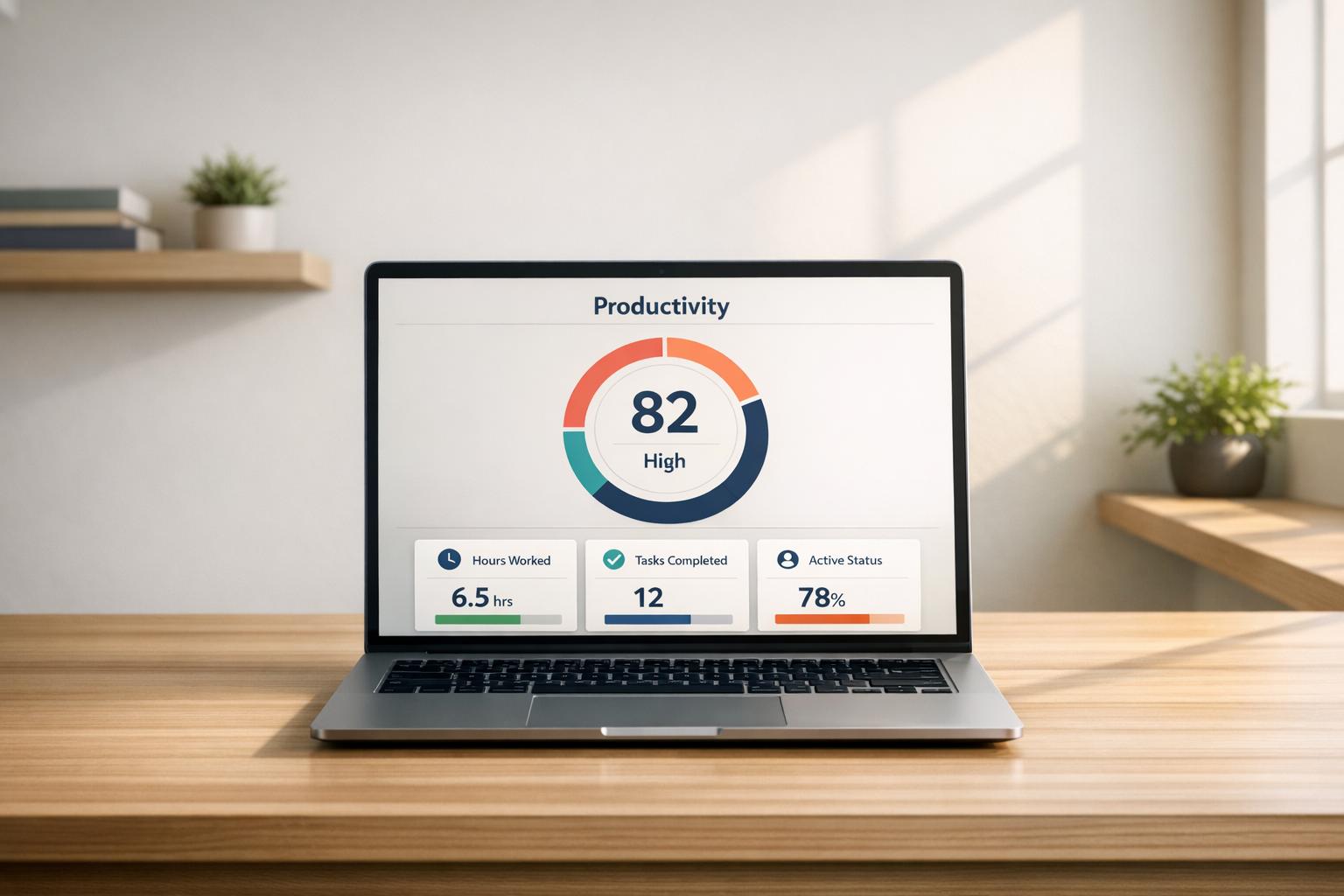
Understand Remote Team Performance Faster
Managing distributed employees can be tricky when performance data is scattered across multiple tools. A Remote Workforce Productivity Analyzer gives teams a faster way to evaluate output, efficiency, and overall health in one place. Instead of relying on guesswork, businesses can compare hours worked, weekly task volume, average completion time, and satisfaction scores to create a clearer picture of how a remote team is performing.
Why These Metrics Matter
Productivity isn’t just about time spent online. A strong remote work analysis should look at how much work gets done, how efficiently tasks are completed, and whether employees feel supported enough to maintain that pace. That balance matters because high output with low morale can create long-term problems, while strong satisfaction with low execution may point to process issues.
A Practical Tool for Better Decisions
This Remote Workforce Productivity Analyzer helps managers turn basic team inputs into an instant score out of 100, complete with a contribution breakdown and a plain-English interpretation. Whether you’re reviewing weekly performance, planning workloads, or tracking changes over time, a remote team productivity calculator can make decision-making more consistent, measurable, and actionable.
FAQs
How is the productivity score calculated?
The score is based on a weighted formula that balances four core signals of remote team performance. Hours worked make up 30% of the score, tasks completed account for 40%, task completion time efficiency contributes 20%, and employee satisfaction adds the final 10%. This approach gives more weight to actual output while still considering efficiency and team morale, which are both important for sustainable productivity.
What does the employee satisfaction score add to the result?
Satisfaction helps give the score context. A team may be completing a high number of tasks, but if morale is low, that pace may not be sustainable over time. Including a satisfaction rating makes the analyzer more realistic by reflecting the human side of remote work. It’s a small part of the formula, but it can help highlight whether strong output is being supported by a healthy team environment.
Who should use this remote workforce productivity tool?
This tool is useful for business owners, team leads, HR managers, operations teams, and consultants who want a quick way to assess remote performance. It works well for small teams that need a fast snapshot and for larger organizations looking to benchmark trends across departments. Because the inputs are simple, it’s easy to use during planning meetings, performance reviews, or weekly check-ins.
Ready to build your dream team?
Book a free consultation and get your first candidate shortlist within 48 hours.
No upfront fee • Only pay if you hire